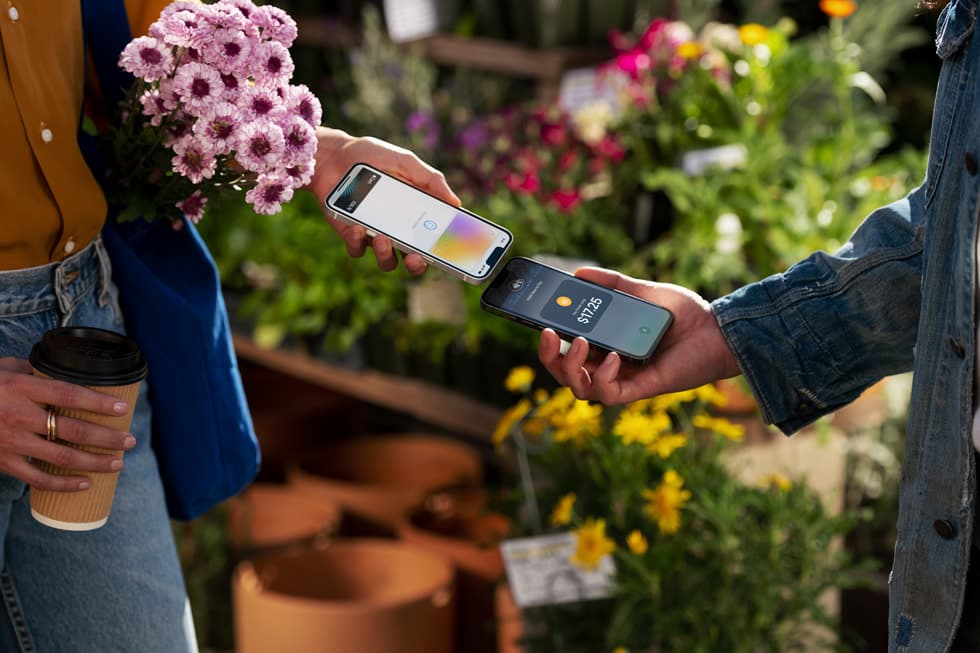
Apple Pay is live in India, twelve years after the service debuted in the US. The launch works with Axis Bank credit cards on Visa and Mastercard at NFC terminals, with HDFC, ICICI, and other banking partners to follow in phases.
The reason it took this long sits with the regulator. For years, an RBI rule barred biometric authentication for card payments, which meant Apple's tokenised wallet — standard in every other market it operates in — had no legal way to function inside India's framework. The rule changed in 2025, and the door opened.
But what opened is a card wallet, in a market that largely runs on something else. UPI handled 84% of India's digital payments: last month alone, 2,300 crore transactions worth ₹30 lakh crore moved through it, across 550 million active users.
Google Pay, PhonePe, and Paytm are built entirely around that QR infrastructure. So an iPhone user can tap at a modern terminal today and still needs a separate UPI app for every restaurant, auto-rickshaw, and street vendor.
Apple has circled this territory before. A UPI-based payments product was reportedly in development in 2018, then abandoned over data localisation requirements, NPCI approval timelines, and the sponsor bank structure UPI demands. Talks resumed around 2023 — and as of today, neither NPCI approval nor a sponsor bank arrangement stands confirmed.
The timing is no accident. Apple has spent years making India both a serious consumer market and a manufacturing base for the iPhone, and payments is the layer that quietly deepens device lock-in. A wallet tied to the hardware is how Apple starts monetising its Indian customers beyond the sticker price.
Strategically, the company is not chasing the fruit stall. Tap-to-pay at NFC terminals is the mall, the airport, the premium segment — the slice of Indian commerce with high-value transactions and interchange to collect. Missing UPI is not a bug here; skipping it is the positioning.
The open question is whether that slice is big enough. Credit cards remain a minority rail in a country where a QR code taped to a tea stall became the national muscle memory. Can a tap-first wallet change habits that a free, instant, phone-to-phone rail built?
There is also the re-engagement path. NPCI permission and a sponsor bank are the two boxes that need ticking for Apple Pay to join the rail that actually runs India. Until they are ticked, it remains a premium complement to the payments stack rather than a part of it.
Twelve years is a long time to wait for a market — and arriving without the one thing that made Indian payments ubiquitous is a strange opening move. Apple is betting that premium wallets can cohabit with free QR rails. India will test that thesis in public.