Everyone talks about AI, but few know where it actually came from. The truth: AI wasn’t invented by a single person. It emerged over centuries.
In ancient Greece, stories like Talos imagined autonomous guardians that followed rules. Humans have been picturing artificial agents since we told myths.
Centuries later, philosophers and mathematicians built formal logic and calculus—tools meant to explain the world, not build AI, yet AI grew as a byproduct.
Automation during the Industrial Revolution replaced physical labor. Once machines could work, people naturally asked if machines could think.
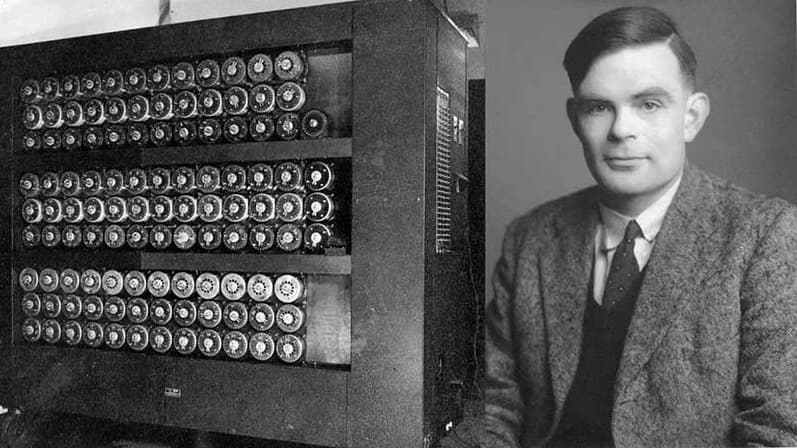
In the 20th century, computers arrived. Alan Turing proposed his famous test: if you can’t tell a machine from a human in conversation, maybe it’s intelligent. Neural networks attempted to mimic how brains learn. Machine learning was born.
Progress came in waves. There were AI winters filled with disappointment. Yet breakthroughs persisted—computers learned to see, to play chess, to understand images and language.
In 2017, the transformer architecture changed everything. Large language models followed. In 2022, ChatGPT made them accessible to everyone.
AI evolved step by step. Every leap came from questioning assumptions, not just adding power. Knowing that history helps us see what really matters next.