Pai Defence has raised $5 million in pre-seed funding to develop passive drone detection and airspace intelligence. Nordic investor Gardar led the round in the British-Ukrainian company, whose system combines sensors with analysis of recorded flights.
The company’s focus is the information layer around counter-drone operations: detecting activity is a starting point, but understanding how the airspace changes over time is the broader product it wants to build.
Passive sensing feeds a shared record
Pai describes a passive sensor that listens for drone-related signals without transmitting its own. Its software records flight activity and places detections in context, allowing users to examine changes across a chosen time period.
The company’s public product presentation includes flight tracks alongside contextual information such as terrain, weather and radio-frequency conditions. Its stated direction is to learn patterns from that record and eventually support prediction of drone behaviour.
That separates the immediate product from the longer-term ambition. Detection and a record of observed activity are different capabilities from reliably predicting future tactics. Pai identifies prediction as a next step, rather than a finished capability established by this funding announcement.
A company shaped by the war in Ukraine
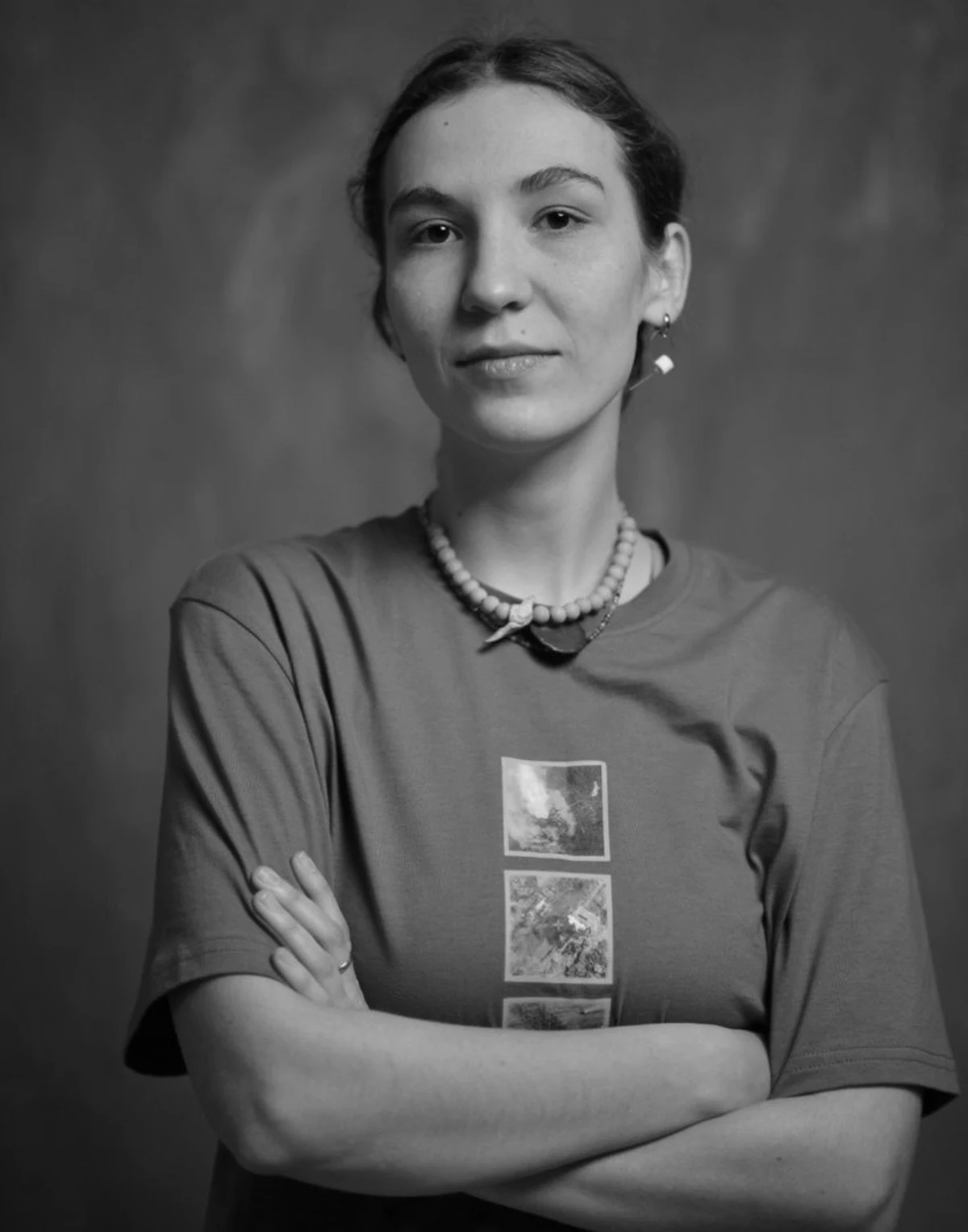
Co-founders Tonia Zakorchemna and Dmytro Pulmanovsky bring engineering and frontline experience to the business. Pai identifies Zakorchemna as CEO and describes Pulmanovsky’s military work in unmanned systems.
The company says its dataset contains more than 100,000 flights. That is its own reported measure of collected activity, not a published independent benchmark of detection accuracy or battlefield effectiveness.
The value of a growing record depends on more than its size. For the product to become useful intelligence, detections must remain interpretable in their local conditions and relevant to the decisions operators face.
What the pre-seed backs
The company’s financing announcement names Angel One, 1991, UA1, D3, MOTANKA, Wild Field, Green Flag, Defence Builder and TA Ventures among participating backers. It did not disclose a valuation.
The capital supports development and expansion of a system intended to turn individual detections into a more coherent airspace picture. The distinction matters commercially: a sensor produces observations, while the platform must make those observations usable over time.
Pai’s next test is the connection between those layers—hardware deployment, the quality of the recorded data and the usefulness of the resulting analysis.
Sources and image credit
Original financing disclosure: Pai
Pai Defence: passive sensing, data platform and founders
Image: Pai Defence. Black-and-white adaptation by Very Frontier.